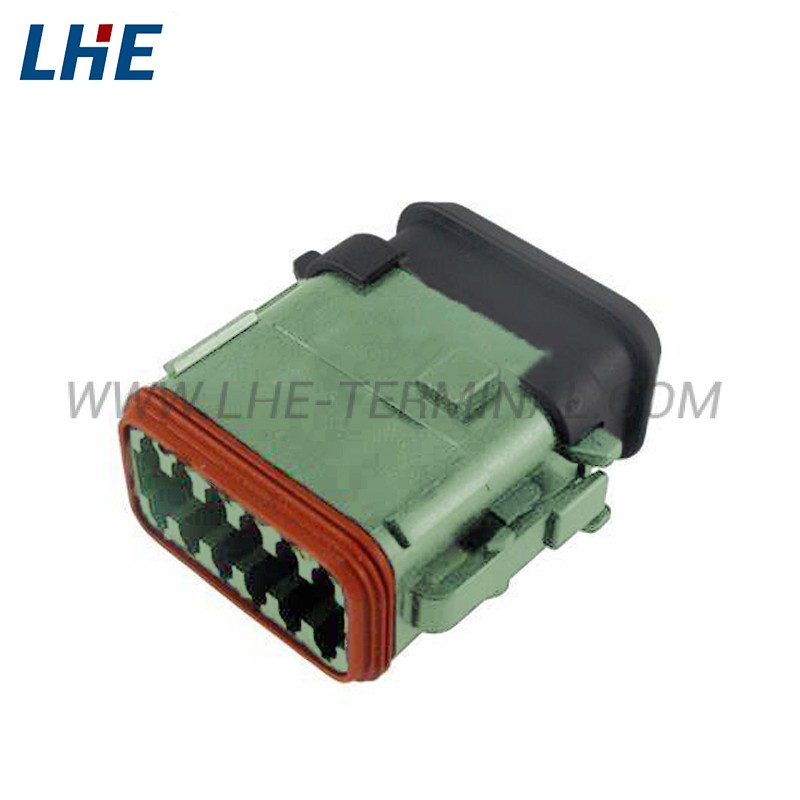
After the assembly process is complete, all wiring harnesses are tested. This is done with the help of electrical test and control tables, which are specially designed to correspond to the architecture of the harness to be tested. Since the connectors are not allowed to be connected during this test, the test bench is equipped with special devices that allow access to the metal terminals in the connector receptacles without using the connection mechanism. Checking wiring involves performing several types of tests: electrical tests, to check wiring continuity, air pressure leak tests, to check the water resistance of components that must meet this requirement, testing of lever/ Integrity testing and verification of the secondary locking mechanism, the connector has a system for securing the connection through secondary closure; compliance verification testing checks the presence of fuses and relays against electrical diagrams.
If errors are found, retouching must be specified on a label printed by the system at the end of the test. Depending on the area where the defect is located, grooming the harness can be difficult. For example, to replace a single wire, the protection of the harness and other fixed elements must be removed throughout the affected area.
Retouch with tools created specifically for this purpose, fixing imperfections without compromising the quality of other components. After retouching, resume the wiring test process for all functions.
After testing shows that the wiring can perform all functions, print a label confirming this fact and attach it to the wiring. Packaging and wiring provisioning is also a manual process. The way the deployment is done, the type of box used for shipping, and the amount of wires stored in the box are determined by the specification together with the customer (the car manufacturer).