


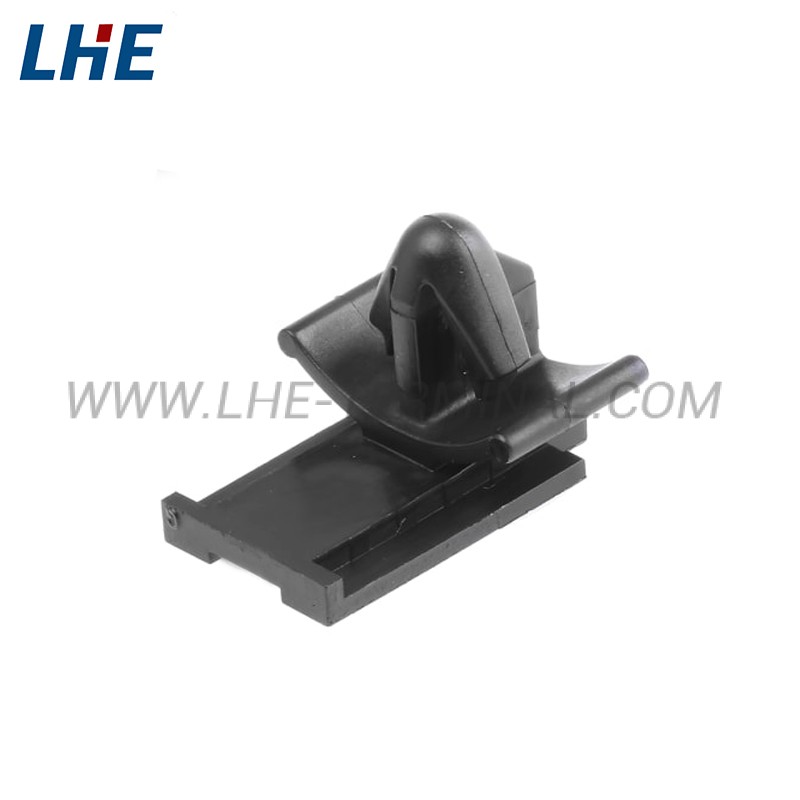


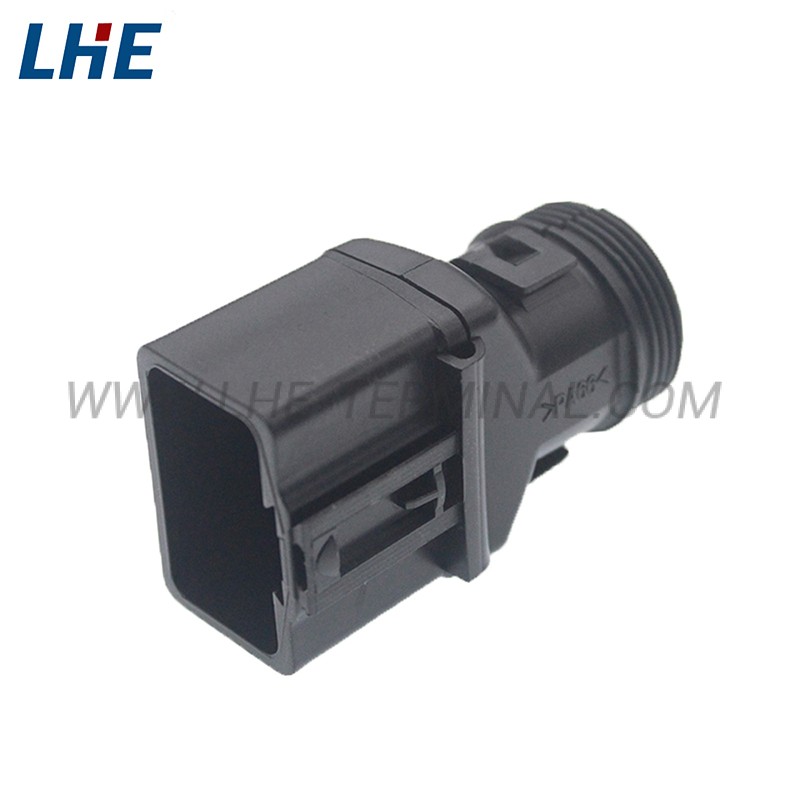
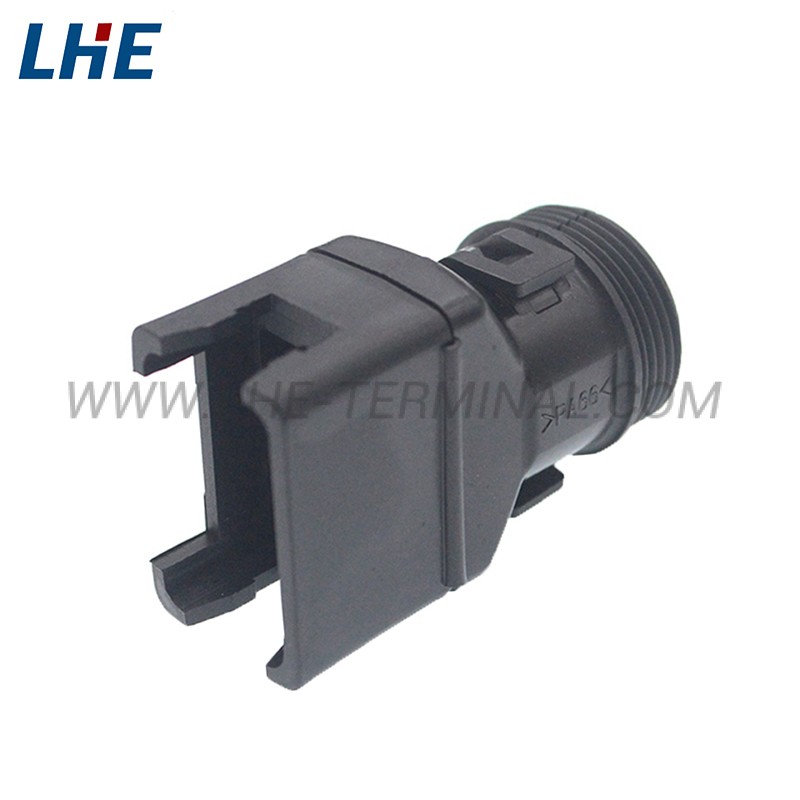


How Connector Caps Help Prevent Corrosion
Corrosion is a common cause of connector failure in automotive, marine, and industrial applications. When moisture, dust, salt, or other contaminants enter an electrical connector, they can damage metal contacts, leading to poor conductivity, intermittent faults, or complete failure.
A connector cap provides a simple but effective protective seal. By covering unused or exposed connectors, it helps keep out water, dirt, and other contaminants, maintaining a clean and dry environment inside the connector.
This protection is especially important in harsh operating conditions where connectors are exposed to vibration, temperature changes, humidity, and chemicals. Reducing contamination helps extend connector service life and maintain reliable electrical performance.
Using the right connector cap is an easy and cost-effective way to protect wiring systems, minimize maintenance, and reduce the risk of unexpected downtime.

Protect What Powers You
Reliable electrical systems start with reliable protection. Our automotive connector caps and wire connector covers help seal exposed connectors against moisture, dust, and other contaminants, improving connection reliability and extending service life in demanding environments.
Choosing the Right Protection for Your Electrical Systems
Different applications require different types of connector protection. Selecting the right cap, seal, or wire cover helps prevent contamination, improve connector reliability, and extend service life. Compare the options below to find the solution that best fits your application.
Connector Caps
These are perfect for sealing off unused connector ports or covering exposed terminals. They’re ideal when you want to keep dirt and moisture out of places that aren’t always connected.
Best for:
- Protecting unused ports
- Temporary covers during maintenance
- Blocking moisture and dust in outdoor or mobile setups
Seals
Seals are built into the connection itself, often in the form of rubber gaskets or ring seals inside the connector. They create a tight fit between the connector halves and help keep water and debris out when the connection is in use.
Best for:
- Active, in-use connections
- Environments with lots of vibration or movement
- Long-term sealing in critical systems
Wire Covers
Wire connector covers are broader in shape and can cover the entire connector housing or even multiple wires. They offer additional protection against abrasion, UV exposure, and external impact.
Best for:
- Harsh industrial or off-road environments
- Grouped wires or large connectors
- Protecting from physical damage


