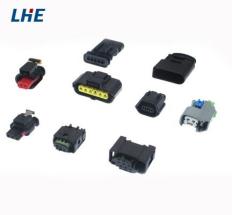
Automotive electrical connectors play a crucial role in the reliability and safety of a vehicle’s electrical system. From engine sensors and lighting harnesses to instrument panel controls and battery connections, these connectors ensure the continuity of electrical connections.
Over time, exposure to moisture, dust, salt, and vibration can cause connector performance degradation. This degradation can lead to corrosion, poor contact, increased resistance, intermittent signal loss, and even critical system failure.
For professionals and DIY enthusiasts alike, mastering the proper cleaning and protection of automotive electrical connectors is an essential maintenance skill. At LHE Terminal, we believe that connector maintenance is just as important as the quality of the connectors themselves.
In this article, we will detail the importance of cleaning, proper cleaning methods, and best practices for long-term connector protection.
Why Cleaning and Protecting Connectors Is Important?
The Risks of Dirty or Corroded Connectors
Electrical connectors in a vehicle are constantly exposed to environmental challenges: humidity, road salt, oil and fluid exposure, vibration, and temperature fluctuation.
These conditions can lead to:
- Accumulation of dirt, grime, or debris that interferes with proper metal-to-metal contact.
- Moisture intrusion, which promotes oxidation or corrosion of the metal contacts.
- Breakdown of plastic housings or rubber seals over time, reducing protection against environmental ingress.
- Vibration or mechanical stress can cause connections to loosen, which in turn can exacerbate corrosion and reduce electrical continuity.
Connectors suffering from these issues can cause a wide range of problems: unreliable sensor readings, flickering lights, intermittent power, engine misfires, and sometimes complete failure of components that rely on good electrical connections.
Benefits of Regular Maintenance for Connector Longevity
Maintaining clean connectors and protecting them afterwards provides clear benefits:
- Restores low-resistance, reliable connectivity, ensuring stable current flow.
- Prevents oxidation and corrosion, prolonging the life of both connectors and wiring harnesses.
- Minimizes risk of shorts or electrical faults caused by contaminated or corroded contacts.
- Reduces maintenance costs over time by preventing premature connector or component failure.
- Improve the overall reliability of the system, especially for safety-critical components such as sensors, lighting, and engine electronics.
Given these benefits, cleaning and protecting connectors should be considered part of routine vehicle maintenance, not just a remedy when problems arise.
Used Tools and Materials
Before you begin cleaning the connectors, prepare appropriate tools and supplies to ensure a safe and effective cleaning process. Using unsuitable materials may damage the delicate connectors or leave residues that can exacerbate corrosion.
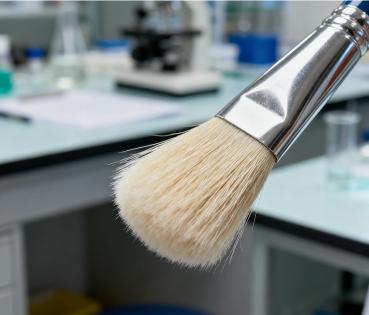
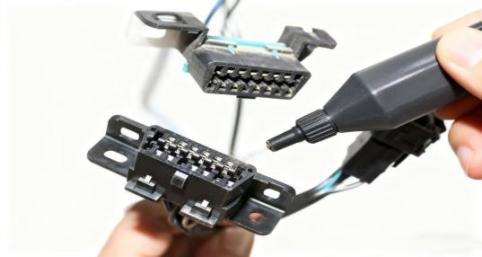
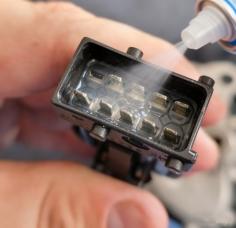
Essential items include: a specialized electronic contact cleaner, a soft-bristled brush or small nylon brush, compressed air, lint-free cloths or cotton swabs, and insulating grease for post-cleaning protection. For connectors with stubborn oxidation, a fine copper brush or a non-conductive pick can be used. When using chemical cleaners, it is recommended to wear gloves and safety goggles.
Preparing these items in advance makes the cleaning process safer and ensures that the connectors are not damaged during cleaning.
Inspecting Connectors Before Cleaning
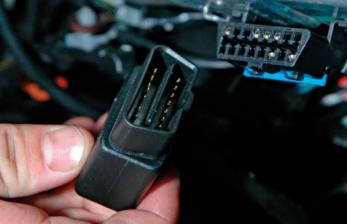
Before applying any cleaner, visually inspect each connector.
Look for signs of:
- Dirt, dust, or debris inside the housing or around the pins.
- Corrosion, for example, greenish or whitish oxidation on metal pins, or dark discolouration.
- Cracked, broken, or deformed plastic housings or seals, bent pins, or loose wires.
- If the connector shows serious physical damage, cleaning may not suffice, replacement might be the better option.
Removing Loose Debris
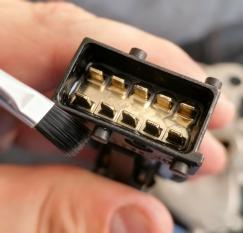
Then, gently clean the metal contacts using a soft-bristled brush, cotton swabs, or a non-conductive tool. Apply gentle pressure to remove oxides, grease, or dirt while avoiding scratching or damaging the contacts. If corrosion is stubborn, carefully use a fine copper brush or fiberglass scraper. Avoid using rough metal tools that may scratch, bend, or damage the pins.
Reassembly and Testing
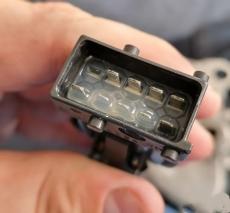
After drying, lightly apply a thin layer of insulating silicone grease to the metal contacts and seals/rubber gaskets inside the connector housing. This non-conductive grease prevents moisture, dust, and other contaminants from corroding or damaging the contact surfaces. Do not apply excessively; a thin layer is sufficient and will be more effective.
Reconnect the two halves of the connector until you hear or feel the locking clips firmly engage. Reinstall all panels or clips, and then reconnect the battery. Start the vehicle and test the connected system, checking indicator lights, sensors, or any problematic components. If everything is normal, your cleaning and maintenance work has been successful.
How to Protect Connectors for the Long Term?
Cleaning itself can restore performance, but protecting the connector is essential to ensuring its lifespan. Here are some things to keep in mind:
Use Dielectric Grease and Sealed Connectors
Regular Inspection and Preventive Maintenance
Don’t wait for symptoms to appear before checking connectors. Connectors should be inspected regularly, paying particular attention to those located in areas prone to dust, condensation, or road salt. Early detection of problems such as oxidation, dust ingress, or loose seals helps in cleaning before corrosion worsens.
If your connectors are exposed to harsh environments, consider reapplying insulating grease after several months or after driving in wet conditions.
Avoid Harsh Chemicals and Water
Never use household cleaners, water, or strong solvents to clean automotive electrical connectors. These substances can corrode plastics, damage insulation, or leave conductive residues that can cause short circuits. Use only contact cleaners specifically designed for electronic/automotive connectors; these cleaners are completely volatile and safe for both metal and plastic parts.
Replace Rather Than Repair
Why LHE Terminal Connectors Are a Good Choice?
By combining superior materials, precision manufacturing, and rigorous quality control, our connectors provide stable electrical contact and exceptional corrosion resistance. With proper maintenance, regular cleaning, application of insulating grease, and use in suitable environments, LHE Terminal connectors can provide years of trouble-free operation.
Conclusion
Maintaining the cleanliness and proper protection of automotive electrical connectors is more than just simple maintenance. It’s a crucial step in ensuring the long-term reliability and safety of a vehicle’s electrical system. Dirty or corroded connectors can lead to poor connections, intermittent failures, component damage, and even short circuits.
For anyone working with wiring harnesses, whether in automotive repair, modification, or manufacturing, understanding how to properly clean and protect connectors is an essential skill. With LHE Terminal’s high-quality connectors and proper maintenance methods, you can achieve stable, durable, and reliable electrical connections under various conditions.