Understanding CPA & TPA in Automotive Connectors

Blog | Blog | Jun 09,2026

In automotive connector performance, the reliability of the connector’s mating and securing structure and terminal fixation is crucial.

Problems with the connector’s securing structure or the reliability of the terminal fixation can severely impact contact reliability and lead to more serious consequences. In such cases, customers can choose automotive connectors employing TPA or CPA technologies based on their specific needs.

Therefore, position assurance features such as CPA and TPA have become an indispensable part of automotive connector design. In this guide, we will explain the meaning, working principle, and importance of CPA and TPA, and how LHE’s automotive connector covers, sleeves, and locking assemblies help improve connection reliability in demanding vehicle applications.

What Is Position Assurance in Automotive Connectors?

Position assurance refers to a locking or secondary retention feature that helps confirm a connector or terminal is in the correct position.

In automotive connectors, position assurance is commonly divided into two types:

CPA: Connector Position Assurance

TPA: Terminal Position Assurance

Although both are used to improve connector reliability, they serve different purposes.

CPA helps keep two mated connectors locked together.

TPA helps ensure the terminals inside the connector housing are fully seated and properly retained.

Together, these features help reduce loose connections, intermittent electrical faults, terminal movement, and accidental connector disengagement.
What Is TPA?

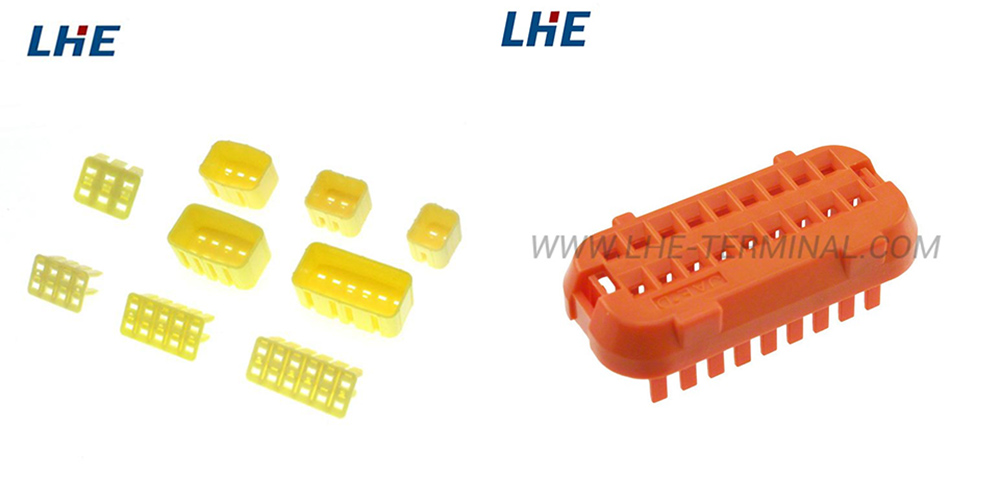
Terminal Position Assurance (TPA) is an auxiliary locking mechanism designed to ensure that terminals (or contacts) are fully seated within the connector housing.

This auxiliary locking device slides directly into a designated groove on the terminal body, if the contact is not properly positioned, the auxiliary locking device will not engage. Once the terminal is fully and correctly seated, the TPA can be smoothly inserted into place.

In addition to verifying proper alignment, the TPA helps minimize terminal movement within the connector. Therefore, to remove any terminal from the housing, the TPA must first be completely removed.

TPA .

Connector Locks Position Assurance

What Is CPA?

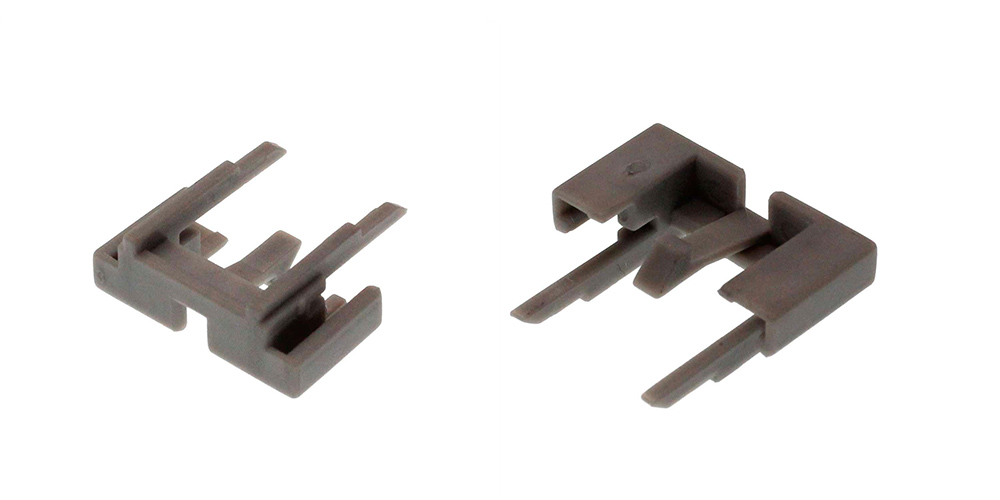
Connector Position Assurance (CPA) is a mechanism designed to guarantee that a mated pair of connectors remains securely locked together after connection. For instance, in our connector systems, the cable-mounted receptacle features a primary locking latch.

This latch slides smoothly underneath a retaining clip on the mating plug, securely locking the connectors into their paired position. To disconnect the system, the primary latch must be explicitly pressed to release it from the retaining clip of the mating connector, preventing accidental disconnection.

CPA

Orange Terminal Position Assurance

CPA vs. TPA: What’s the Difference?

Feature CPA TPA
Full Name Connector Position Assurance Terminal Position Assurance
Main Function Keeps mated connectors locked together Keeps terminals properly seated inside the housing
Location Outside or near the connector latch Inside or attached to the connector housing
Prevents Accidental connector disengagement Loose or incorrectly seated terminals
Best For Vibration-prone connector assemblies Reliable terminal retention and contact stability

Why CPA and TPA Matter in Automotive Wiring?

Automotive electrical systems must perform reliably for years. A small connector issue can cause major problems, especially in safety-related or powertrain applications.

CPA and TPA components help improve connector performance by providing:

Better Vibration Resistance: Vehicles operate in high-vibration environments. CPA locks help prevent connectors from backing out, while TPA locks help keep terminals from shifting inside the housing.

More Reliable Electrical Contact: A fully seated terminal and a securely mated connector reduce the risk of unstable current flow, signal interruption, and intermittent faults.

Easier Assembly Verification: CPA and TPA features help technicians and production teams confirm that connectors and terminals are installed correctly.

Improved Long-Term Durability: By reducing movement and accidental disengagement, position assurance components help extend the service life of automotive wiring systems.

Safer Vehicle Operation: Stable connector performance is especially important in systems related to braking, steering, lighting, battery management, sensors, and electronic control units.

Where Are CPA and TPA Components Used?

CPA and TPA components are commonly found across many vehicle systems, including:

  • Powertrain wiring harnesses
  • Battery and charging systems
  • EV and hybrid vehicle connectors
  • Lighting systems
  • Sensor and actuator connections
  • Infotainment systems
  • Safety and control modules
  • Industrial vehicle equipment

As vehicles become more electrified and software-driven, secure connector design is becoming even more important.

LHE Automotive Connector Caps, Covers, Clips, TPA Locks, and CPA Components

In addition to CPA locking components, LHE offers a comprehensive range of automotive connector accessories designed to improve connector reliability, terminal retention, and environmental protection. These products are widely used in automotive wiring harnesses, electronic control systems, sensors, lighting modules, and other vehicle electrical applications.

Product categories include:

LHE’s TPA products are specifically designed to ensure terminals are fully inserted and securely locked within the connector housing, helping prevent terminal back-out, poor electrical contact, and assembly errors.

Combined with CPA locks, connector caps, and protective covers, these components enhance connector safety, improve resistance to vibration and environmental exposure, and support long-term electrical performance in demanding automotive applications.

Conclusion

A simple way to prevent automotive connectors from coming loose is to use a CPA lock. Once the connector is fully mated, the CPA device limits the movement of the release latch, making it difficult for the latch to be pressed accidentally. This helps keep the connector securely engaged, even in applications exposed to vibration, pulling force, or frequent movement.

CPA and TPA components are both essential for reliable automotive connector assembly. CPA helps ensure that mated connectors remain locked together, while TPA confirms that the terminals are fully seated inside the connector housing. If you have questions about automotive connector caps, covers, CPA locks, or TPA components, LHE can help you find the right solution for your application.

--- END ---

+86 18312905613